Is It Time to Replace Your Galvanised Pipes? A North Joburg Homeowner's Guide
Learn the warning signs that your galvanised pipes need replacement, what alternatives are available, and what the process involves for North Johannesburg homes.
We see it every week across North Johannesburg.
Homes built before the mid-1990s are hitting a critical plumbing milestone right now.
Our team regularly encounters original plumbing systems that are quietly failing behind the walls. For decades, galvanised steel was the standard material for residential plumbing in South Africa.
We know these older installations seemed like they would last forever. The reality is very different.
Our specialists have found that aggressive water chemistry accelerates this decay.
When asking, “Is It Time to Replace Your Galvanised Pipes? A North Joburg Homeowner” should look at the data.
This guide will look at the facts, explain what the warning signs actually mean, and outline a clear plan to protect your property.
What Are Galvanised Pipes?
We often explain to clients that these are simply steel pipes coated with a layer of zinc to prevent rust. When they were new, this zinc coating provided excellent protection against the water flowing through them.
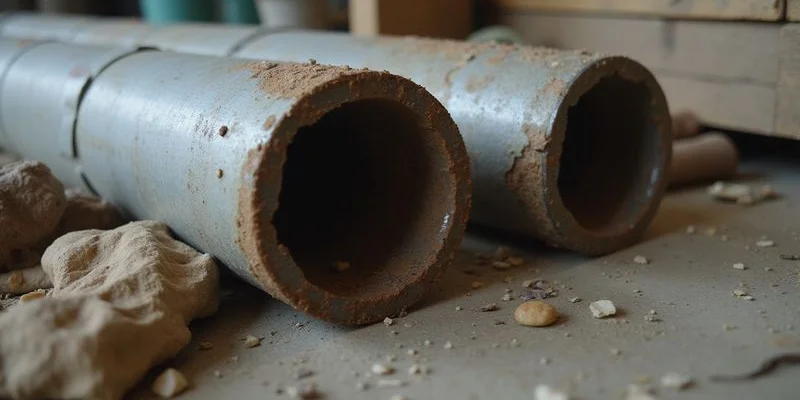
Our experience in the field confirms that this protective layer gradually erodes over a period of 40 to 70 years. Once the bare steel is exposed to water, corrosion begins from the inside out.
We regularly remove sections of pipe where rust has progressively narrowed the internal diameter. Eventually, the corrosion eats through the pipe wall entirely and causes hidden leaks.
“The rate of deterioration depends heavily on the mineral content and pH of the local water supply. Mildly acidic conditions dissolve the zinc layer much faster.”
Our plumbing assessments across Sandton and Fourways reveal that stagnant water in these old pipes causes the most severe rust buildup.
Warning Signs Your Galvanised Pipes Need Replacement
We track several distinct symptoms that indicate your plumbing is failing. Deterioration is gradual, and the signs often develop slowly over years.
Our technicians recommend watching for these specific red flags in your home.
Discoloured Water
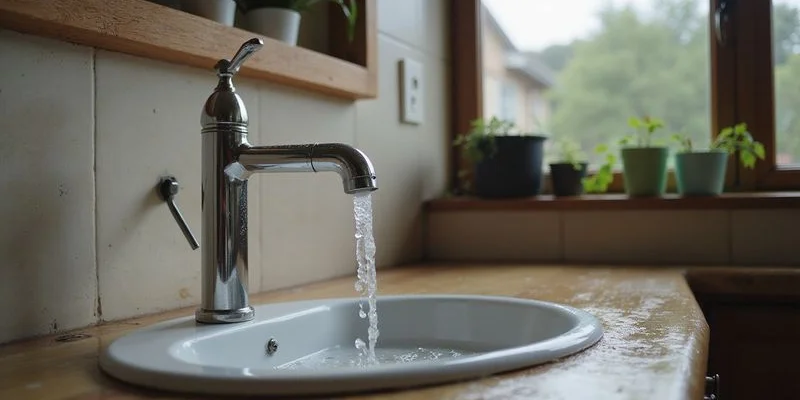
We always suggest running a “morning test” to check for rust. The most obvious sign of corroding galvanised pipes is brown or orange water when you first turn on a tap.
Our crews notice this is particularly bad after the water has been standing in the pipes overnight. While municipal supply lines can occasionally cause discolouration, consistent issues isolated to your hot water taps point to internal decay.
Low Water Pressure
We frequently see severe pressure drops caused by internal rust buildup. A pipe that originally had a 20mm bore might effectively be reduced to 9mm or less over forty years.
Our flow rate tests show this restriction causes noticeably reduced water pressure at fixtures furthest from the geyser. If you have experienced a gradual decline in pressure while your neighbours have normal flow, internal pipe corrosion is the exact cause.
Frequent Leaks
We often get called out to repair pinhole leaks that have already caused major damage. As corrosion penetrates the full thickness of the pipe wall, these tiny holes develop behind walls or under floors.
Our leak detection tools regularly find active dripping that has gone unnoticed for weeks. If you are experiencing leaks at multiple points, patching individual weak spots becomes a losing battle.
Each repair fixes one area, but the entire system requires a complete pipe replacement to truly solve the problem.
Metallic Taste or Odour
We hear complaints about tap water tasting like coins or smelling off. Heavily corroded galvanised pipes impart a strong metallic flavour to the drinking water.
Our initial water quality checks often confirm that your internal pipes are the source of this foul taste.
Visible Corrosion on Exposed Pipes
We inspect exposed pipes in garages and roof spaces for early warning signs. If you can see flaking rust or white mineral deposits on the outside of these joints, the interior condition is certainly worse.
Health Considerations and SANS 241 Limits
We take water safety very seriously, especially in older properties. Older galvanised pipes can contain lead in the zinc coating or in the solder used to join the fittings prior to 1990.
Our reviews of the South African National Standard (SANS 241:2015) for drinking water show that the safe limit for lead is strictly below 10 micrograms per litre (0.01 mg/L). As the zinc coating deteriorates, trace amounts of these heavy metals can leach into your family’s drinking supply.
We highly recommend having your tap water tested by an accredited Johannesburg laboratory if you have concerns. These local labs can analyse your samples for heavy metals and ensure your supply meets all SANS 241 safety guidelines.
Is It Time to Replace Your Galvanised Pipes? A North Joburg Homeowner Needs to Know These Options
We help property owners choose the best modern materials for their specific needs. Each piping option has unique characteristics, advantages, and price points.
Our installation teams work primarily with the following durable materials.
Copper Pipes
We still install copper for clients who want a premium, traditional plumbing material. Copper is highly durable, naturally antibacterial, and boasts a practical lifespan of 50 to 70 years.
Our pricing models show that copper is significantly more expensive than plastic alternatives due to high material costs and intensive labour. Soldered joints take more time and skill to install properly.
PEX (Cross-linked Polyethylene)
We install PEX piping in the majority of our residential retrofits today. This flexible tubing easily routes through existing structures without requiring extensive wall demolition.
Our teams prefer PEX because it resists scale buildup and handles the freezing Highveld winter temperatures far better than rigid pipes. This option is typically 30% to 50% less expensive than a full copper repipe.
CPVC and Composite Pipes
We sometimes utilize CPVC for specific hot and cold water applications. This rigid plastic is more affordable than copper but requires more access points during installation than flexible PEX.
Our suppliers also offer composite pipes that combine layers of plastic and aluminium. These multi-layer options hold their shape when bent and simplify routing in complex architectural layouts.
| Feature | PEX Piping | Copper Piping |
|---|---|---|
| Material Cost | Lower | Very High |
| Installation Speed | Fast (flexible, push-fit) | Slower (requires soldering) |
| Freeze Resistance | Excellent (expands slightly) | Poor (can burst if frozen) |
| Lifespan | 40 - 50 years | 50 - 70 years |
The Repiping Process
We follow a strict, systematic approach to minimize disruption in your home. Understanding these phases helps you plan for the project realistically.
Our standard process involves five clear steps.
1. Assessment and Planning
We start by inspecting your existing system to map out all the failing pipe runs. This is the perfect time to discuss adding new garden taps or increasing pipe sizes for better shower pressure.
Our plumbers will verify that the new layout complies with SANS 10252 standards. The final sign-off requires that all necessary PIRB compliance certificates are issued upon completion.
2. Preparation
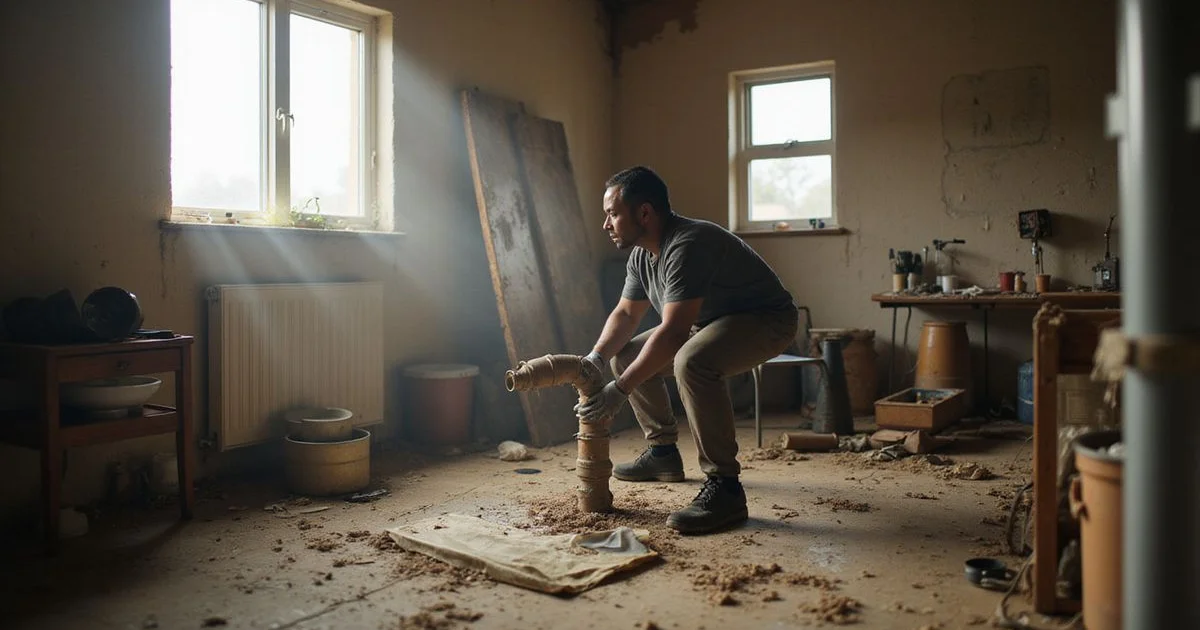
We shut off the main water supply before any physical work begins. The team identifies strategic access points where walls or ceilings need to be opened.
Our routing strategy through the roof spaces of homes in Bryanston and Lonehill allows us to bypass many living areas entirely.
3. Installation
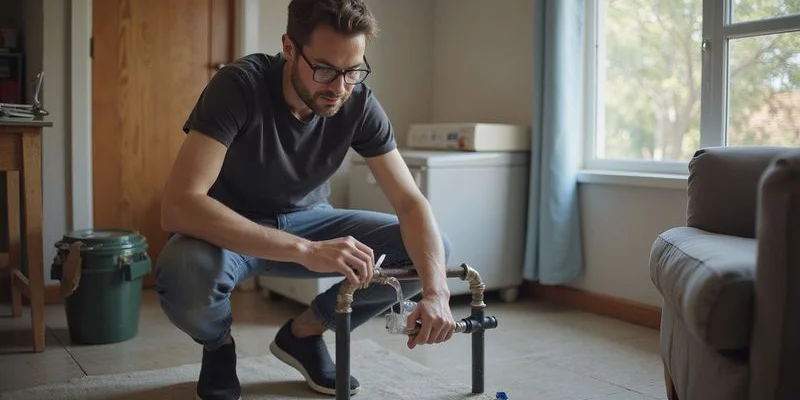
We run the new modern lines alongside the old deteriorating pipes. In many cases, removing the original steel would cause excessive structural damage, so the old lines are safely drained and abandoned in place.
Our typical full repipe of a standard three-bedroom house takes two to four days to complete. Using flexible PEX material and crimp connections speeds up this timeline considerably.
4. Testing and Commissioning
We pressure test the entire new network to verify there are absolutely no leaks. The water is turned back on, and every single fixture is checked for proper flow and temperature balance.
Our final step in this phase is flushing the system thoroughly to remove any installation debris.
5. Compliance and Certification
We guarantee that all plumbing work is carried out by a registered professional. The Plumbing Industry Registration Board (PIRB) requires a Certificate of Compliance (CoC) for these major installations.
Our licensed plumbers log this certificate within five working days of finishing the job. The Institute of Plumbing South Africa (IOPSA) audits 5% of these certificates, ensuring the highest safety standards are always met.
Cost of Repiping in North Johannesburg
We provide transparent pricing based on the current 2026 South African market rates. A full repipe is a significant investment that permanently protects your property from water damage.
Our industry data shows standard plumber rates average R600 per hour, with initial call-out fees ranging from R450 to R650. Here are approximate full-project costs for the current year.
| Property Type | PEX Repipe (2026 Est.) | Copper Repipe (2026 Est.) |
|---|---|---|
| 2-bedroom apartment | R18,000 - R28,000 | R28,000 - R45,000 |
| 3-bedroom house | R28,000 - R50,000 | R45,000 - R75,000 |
| 4-bedroom house | R40,000 - R68,000 | R65,000 - R95,000 |
| Large or complex property | R58,000+ | R95,000+ |
We include all standard materials, labour, basic patching of access holes, and the legal CoC in these baseline figures. Extensive plastering and painting to fully restore decorative walls will require a separate specialized quote.
Should You Repipe All at Once or in Stages?
We often get asked if spreading the work out over several years is a smart financial move. While staging the project is physically possible, there are strict financial drawbacks to consider.
Our analysis shows that replacing everything at once is significantly more cost-effective.
- One-Time Setup: We only mobilize our heavy equipment and open your walls once.
- Avoid Repeated Fees: Staged work requires paying new call-out fees and hourly minimums for every single visit.
- Consistent Pressure: A complete swap ensures you have a reliable, fully pressurized network immediately.
- Patchwork Risks: Mixing old failing steel with new plastic puts extra stress on the remaining weak joints.
We understand that budgets can be tight, so prioritizing the rapidly failing hot water lines first is an option. Just be prepared that the final combined bill for a staged approach will be 20% to 30% higher than a single continuous project.
Making the Decision
We know that ignoring failing plumbing is simply throwing money at a worsening problem. If a pipe bursts unexpectedly, contact our emergency plumbing team immediately. If you are experiencing brown water, low pressure, and random drips, replacement is the only practical path forward.
Our modern pipe installations will easily last 50 years, instantly improving your daily water pressure and quality.
When you finally ask, “Is It Time to Replace Your Galvanised Pipes? A North Joburg Homeowner”, you need a definitive answer from an expert. Contact our PIRB-registered team for a comprehensive inspection and a strategy designed for your exact property.
Book an assessment with our specialists who handle complete pipe repair and replacement today, and secure your home’s future.