SANS Plumbing Standards: What Every South African Homeowner Should Know
SANS 10252 and SANS 10254 govern plumbing and geyser installations. A plain-English guide.

We see the term “SANS 10252 standards” printed on plumbing quotes every single day.
When exploring SANS Plumbing Standards: What Every South African Homeowner Should Know is that these rules legally dictate the safety of your property. Our team wants to translate these dense regulations into clear expectations for your home or business.
You will understand exactly what a contractor must do to protect your property from catastrophic water damage. We designed the following breakdown to cover the most critical rules and show you exactly how to verify the work.
The Key SANS Standards for Residential Plumbing
Two main documents govern the work happening inside your walls and ceilings. We rely on a specific set of rules to keep South African water systems safe and functional.
SANS 10252: Water Supply Installations for Buildings
Our plumbers use this foundational standard to design and repair everyday water supply systems. This regulation ensures your property maintains safe water pressure and clean drinking water. We often encounter municipal water pressure exceeding 600 kPa in many South African suburbs. SANS 10252 strictly limits pressure at domestic fixtures to 400 kPa to prevent pipe damage.
Our installation processes adhere to several key requirements:
- Pipe sizing: Contractors calculate the exact diameter needed to maintain flow across multiple bathrooms.
- Approved materials: Installers must use certified materials like SANS 1480 copper or specific PEX piping.
- Backflow prevention: Special valves stop contaminated groundwater from siphoning back into your clean supply.
- Pressure control: A 400 kPa Pressure Reducing Valve (PRV) is usually mandatory to protect household taps.
- Hot water distribution: Rules dictate safe temperature limits to prevent scalding at the tap.
The standard splits into two distinct parts for daily operations. We use Part 1 to handle the incoming clean water supply lines. Part 2 dictates how drainage pipes carry wastewater away safely.
SANS 10254: Installation of Fixed Electric Storage Water Heating Systems (Geysers)
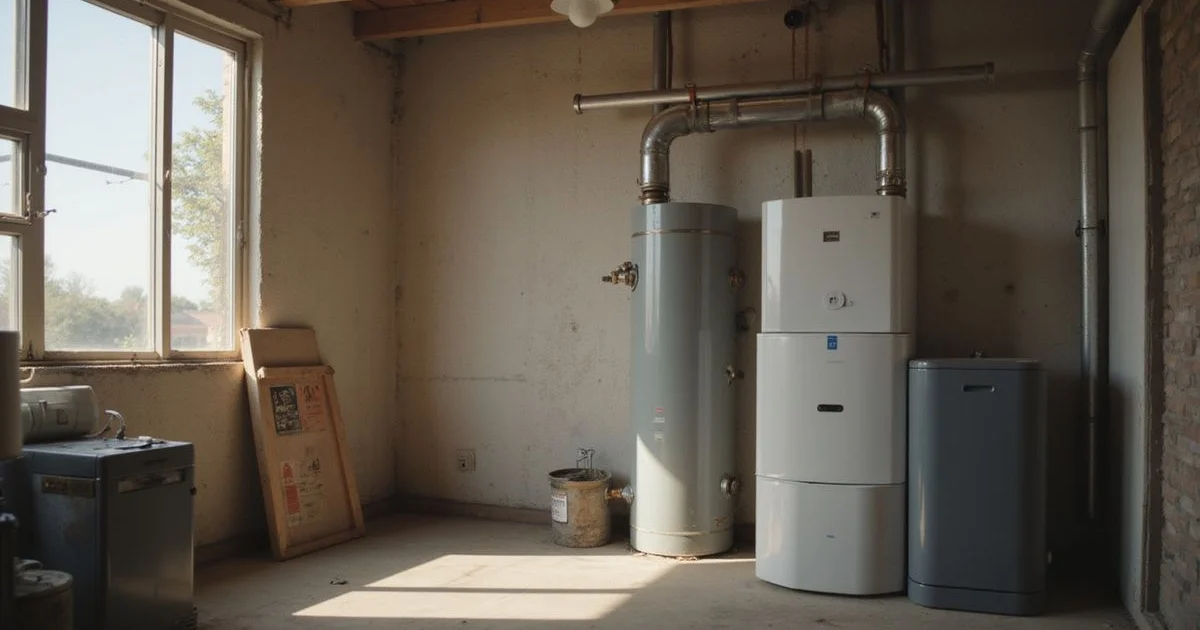
Our technicians consider this the most critical regulation for any property with a standard 150-litre or 200-litre electric geyser. High-pressure water and high-voltage electricity create a serious hazard if handled incorrectly. We see from recent inspections that an improperly installed geyser acts like a pressurised bomb in your ceiling. Proper geyser installation by a registered professional eliminates this risk entirely. Specific safety components are legally required to meet the 2026 compliance rules.
Our checklists for geyser requirements include:
- Mandatory drip tray: A PVC or galvanised tray must sit under the unit to catch leaks.
- Temperature and pressure (T&P) relief valve: This crucial 400 kPa or 600 kPa valve opens automatically if water boils.
- Safe discharge pipes: Installers must route copper or steel overflow pipes to a visible exterior wall.
- Isolation valves: Technicians need shut-off valves near the unit to perform maintenance safely.
- Structural support: Timber beams must support the full weight of the filled cylinder.
SANS Plumbing Standards: What Every South African Homeowner Should Know About Compliance
Many property owners view plumbing regulations as a headache for the contractor rather than the homeowner. We consistently see three major areas where ignored standards cost people dearly.
Insurance Requirements
Major South African insurers like Santam and Outsurance deal with burst geysers every week. Our staff knows these companies mandate strict SANS compliance before they will approve a water damage claim. A standard 150-litre burst geyser claim averages between R7,500 and R12,000 for the unit alone. We see resulting ceiling and flooring damage often push total repair costs past R25,000.
Insurers will reject your claim if they find these common failures:
- Missing drip tray beneath the cylinder
- Incorrectly rated T&P relief valve
- Discharge pipes routed into the ceiling void instead of outdoors
- No valid PIRB Certificate of Compliance on file
Property Sales and Transfers
Our conveyancing partners report similar issues during property sales. The conveyancing process legally mandates a plumbing Certificate of Compliance (CoC) alongside the standard electrical certificate. We find that many sellers are completely caught off guard by this requirement. You will have to pay out of pocket to fix a non-compliant geyser before the transfer goes through.
Family and Employee Safety
Our priority is always family safety over financial compliance. A bypassed thermostat can heat water beyond 90 degrees Celsius in a matter of hours. We strictly enforce safety standards to prevent catastrophic accidents.
These rules specifically prevent:
- Third-degree scalding: Proper valves keep tap temperatures within a safe range.
- Explosive ruptures: T&P valves release steam before tank pressure causes a blowout.
- Toxic contamination: Non-return valves block dirty water from entering your drinking supply.
- Structural collapse: Correctly sized timber beams support a 200-kilogram tank safely.
Common SANS Violations in North Johannesburg Homes
Our teams spot the same dangerous shortcuts repeatedly across older North Johannesburg properties. Homes built in the 1970s and 1980s often feature DIY repairs completed by unregistered handymen. We document these specific hazards almost daily in suburbs like Bryanston, Randburg, and Sandton.
Missing or Incorrectly Installed Drip Trays
Geysers resting directly on ceiling rafters without any protective tray are a massive liability. Our inspectors strictly enforce the SANS 10254 rule requiring a tray that is at least 50mm wider than the geyser itself. The tray must connect to a 50mm PVC drain pipe that empties outside the building. We warn clients that a minor leak dripping freely into a ceiling void causes massive drywall and carpet damage.
Incorrect T&P Relief Valve Discharge
Discharge pipes made of cheap plastic instead of heat-resistant copper or steel violate safety codes. Our crews regularly see these pipes illegally routed straight into the roof space. The T&P valve releases boiling water and steam when the geyser overheats. We know this illegal setup hides the warning signs of a failing thermostat and destroys your ceiling insulation.
No Isolation Valves
Emergency situations escalate quickly when a property lacks proper shut-off valves. Our emergency plumbers lose precious time searching for a main municipal stopcock when individual valves are missing. SANS 10252 requires an accessible isolation valve on the water supply line feeding the geyser. We see entire properties lose water access during a localized bathroom leak because these valves were skipped.
Incorrect Pipe Sizing
The original 15mm copper pipes in older homes cannot deliver enough volume when multiple showers run simultaneously. We frequently fix pressure issues in homes that have added new en-suite bathrooms. Contractors use specific SANS 10252 formulas to upgrade trunk lines to 22mm or 28mm pipes as part of professional pipe repair based on fixture demand. Our guide on low water pressure causes and fixes covers this topic in greater detail.
How to Know If Your Plumbing Is Compliant
Many clients ask how they can check their own systems without climbing into the roof. We always recommend verifying several basic safety features with a quick visual inspection. Your existing paperwork is the best place to start.
Check Your Documents
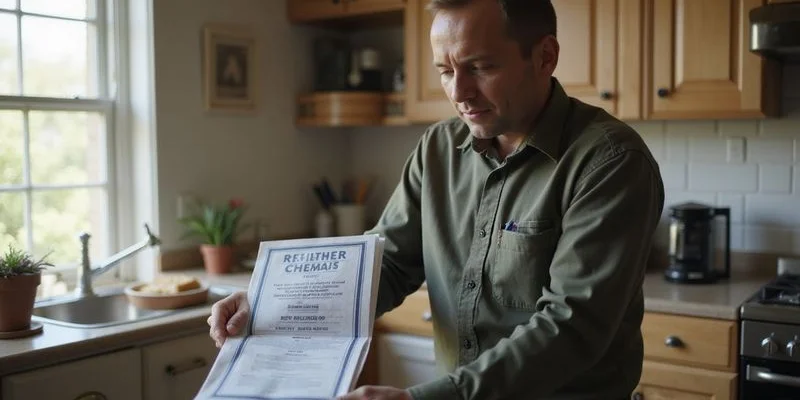
Our property experts tell buyers to request the compliance file immediately after moving in. A valid CoC features a unique tracking number issued by a registered professional. We verify this document to prove the installation met all SANS codes on the day it was completed.
Perform a Visual Inspection
A quick walk around the outside of your property reveals important plumbing outlets. We suggest checking these specific elements to spot red flags before a major failure happens.
Check these four items today:
- Geyser drip tray: Can you see a 50mm PVC pipe exiting your eaves or exterior wall?
- T&P relief valve: Is there a 20mm copper or steel pipe discharging safely down an outside wall?
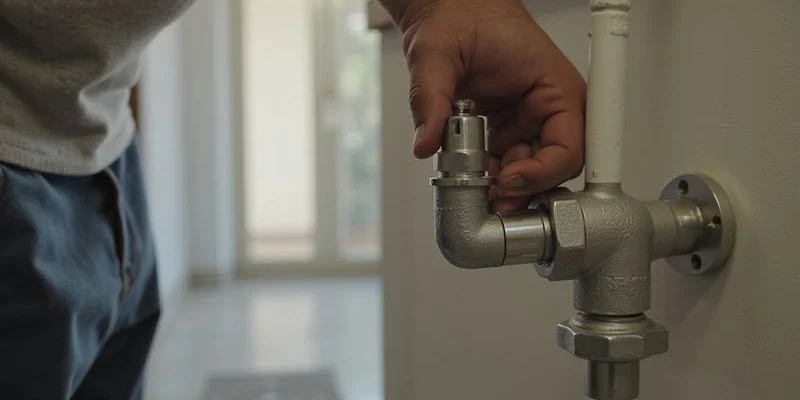
- Isolation valves: Do you have a shut-off lever on the cold water pipe entering your geyser?
- Backflow prevention: Do your garden taps have a small brass non-return valve attached?
Book a Professional Inspection
Our team highly recommends a formal audit if your home is more than ten years old. A PIRB-registered inspector carries the specialized pressure testing equipment needed to verify your PRV limits. We conduct comprehensive audits to catch hidden dangers.
An audit is crucial if:
- You recently bought the house and the seller did not provide a geyser CoC.
- A previous owner used an unverified handyman for bathroom renovations.
- You notice unexplained pressure drops or hear hissing noises from the roof.
- Your property is more than ten years old and has never been formally inspected.
The Role of the PIRB
Our staff works closely with the Plumbing Industry Registration Board (PIRB) to maintain high standards. This SAQA-recognized body regulates over 10,000 professional plumbers across South Africa. We are adapting as the industry shifts toward a paperless system in 2026. The PIRB now logs electronic CoCs directly into a national database to prevent fraud.
“A valid PIRB registration is your only guarantee that a plumbing installation meets legal South African safety standards.”
We advise you to use the official PIRB website to verify a contractor’s registration number before they start working. An unregistered worker cannot issue the certificate your insurance company demands.
What to Do About Non-Compliant Work
Our team reassures homeowners that finding a code violation is not the end of the world. Most common defects require minor adjustments rather than a complete system overhaul. We handle these specific compliance upgrades quickly and affordably.
Current 2026 estimates for standard repairs include:
- Supplying and fitting a new PVC drip tray: R800 to R1,800
- Replacing a faulty T&P relief valve: R600 to R1,200
- Running a new 20mm copper discharge pipe: R900 to R2,000
- Installing brass isolation valves: R450 to R800 per valve
- Comprehensive compliance audit with CoC: R1,800 to R3,500
We know that a minor repair bill hurts less than a rejected R20,000 insurance claim. When reflecting on SANS Plumbing Standards: What Every South African Homeowner Should Know is that proactive repairs guarantee your property transfers smoothly. Our final advice is to address these issues before you decide to sell or file a claim. To get a professional plumbing compliance inspection and PIRB certificates across North Johannesburg, contact our network of registered plumbers serving Sandton, Bryanston, Fourways, Randburg, Midrand, and all surrounding suburbs.